
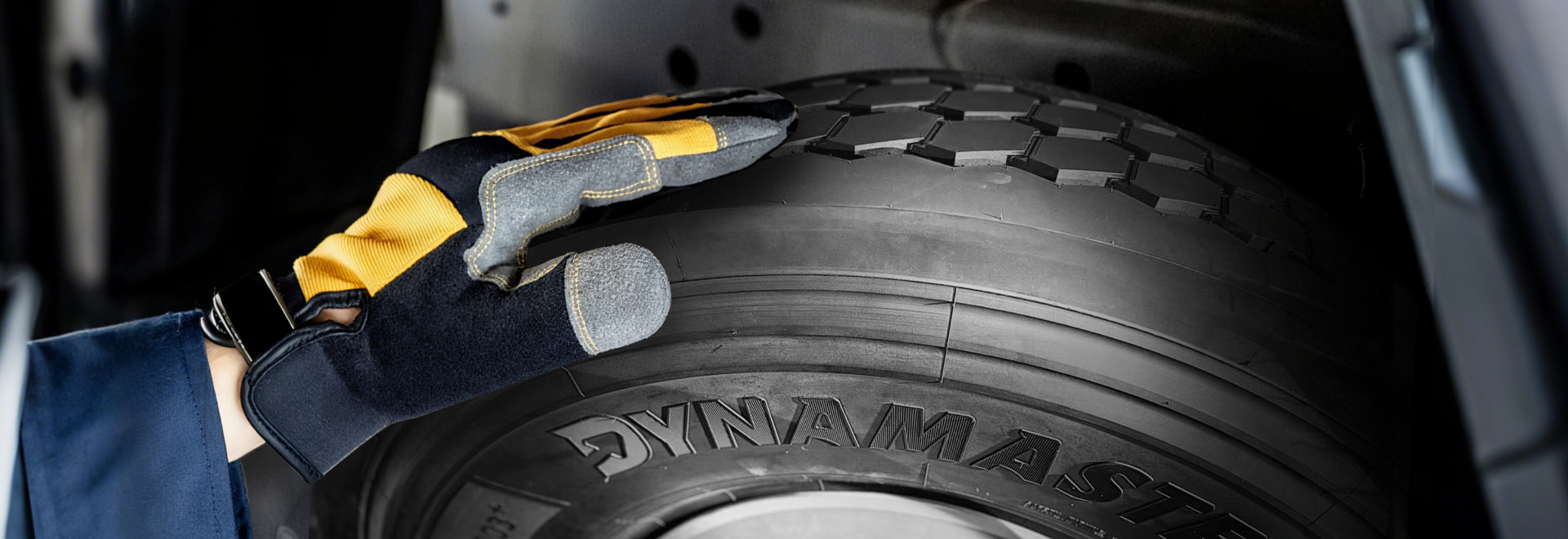
The ideal inflation is determined by your specific axle load, configuration, and application. Rather than relying on the maximum pressure stamped on the tire sidewall, fleets should always consult the vehicle manufacturer’s guidelines or the tire brand's official load and inflation tables.
Operating at the precise pressure specified for your actual carrying load guarantees optimal vehicle handling, uniform footprint pressure distribution, and maximum casing durability under grueling long-haul or regional operations.
1.Check When Cold:Prerequisite
Always measure pressure when tires are cold (parked for at least three hours). Driving creates heat, which expands the air and creates falsely high readings.
2.Use a Calibrated Master Gauge:Equipment Check
Press a calibrated commercial dual-foot gauge firmly onto the valve. Never rely on visual guesswork or "thumping" the tire, as these cannot detect micro-losses.
3.Inspect the Dual Fitment Setup:Crucial for TBR
For dual assemblies, check both inner and outer tires. A pressure mismatch forces one tire to carry excess load, causing rapid wear and premature failure.
4.Adjust and Secure:Final Action
Inflate or bleed air to match your target specification. Always replace the valve cap tightly to protect the valve core from dirt and road moisture.
Checking tread depth requires moving away from guesswork to a standard routine. Commercial tires feature built-in Tread Wear Indicators (TWIs)—raised bars in the grooves at the legal wear limit (typically 1.6mm). While TWIs offer a quick visual warning, precise multi-point measurements are necessary to catch uneven wear before it damages the casing.
1.Clean the Grooves:Preparation
Park safely on a level surface. Clear any trapped stones or mud from the tread grooves, as debris will block the gauge and distort your measurement.
2.Use a Depth Gauge:Measurement
Insert a calibrated tread depth gauge probe into the major grooves. Push the base firmly against the tire, making sure not to place the probe on top of a TWI bar.
3.Measure Multiple Points:Diagnostics
Take readings at three locations around the tire, checking the inner, center, and outer grooves. A variance over 1mm signals irregular wear and the need for an alignment.
4.Log and Plan Retread:Action
Record the millimeter data to track wear rates. Pull tires before they hit the absolute legal limit to ensure the casing remains healthy and eligible for retreading.
Tire rotation is the proactive maintenance practice of systematically changing tire positions across different axles. Because steer, drive, and trailer axles subject tires to entirely different forces and loads, tires naturally wear at varying rates.
Regularly moving tires around the vehicle—such as swapping inner and outer duals—ensures that every tire experiences these distinct forces equally, neutralizing early signs of irregular wear.
A structured tire rotation schedule delivers immediate financial benefits by maximizing a fleet's total efficiency.
Equalizing tread wear across all wheel positions directly extends the service mileage of the entire tire set, delaying costly replacements. Furthermore, by preventing deep irregular wear and preserving a flat footprint, you safeguard the casing's integrity, ensuring the tire remains in prime condition for multiple retread life cycles.
Commercial tires should always be balanced immediately upon initial mounting or whenever a tire is dismounted for a puncture repair.
For ongoing maintenance, fleets should rebalance assemblies whenever a driver reports steering wheel vibrations, or during routine tire rotations. If you notice unusual, spotty tread wear—often called cupping or scalloping—it is a clear sign that the wheel assembly is out of balance and requires immediate technical attention.
To balance a commercial wheel assembly, a technician places it on a high-speed spin balancer that detects exactly where the heavy and light spots are located. The machine guides the technician to attach specialized, heavy-duty weights to the wheel rim, neutralizing the imbalance.
For heavy truck tires, electronic balancers pinpoint precise weight placement, ensuring the entire assembly spins perfectly true and runs smoothly under heavy cargo loads.
Knowing exactly when to replace a commercial tire is vital for maintaining fleet safety and avoiding costly roadside breakdowns. While reaching the legal tread wear limit (typically 1.6mm) is the most obvious cue, tires must be replaced immediately if they show deep sidewall cuts, bulging, exposed steel cords, or severe irregular wear that compromises structural integrity.
Proactively pulling a tire before total failure not only prevents dangerous blowouts on the highway but also ensures the premium casing remains completely undamaged, keeping it in prime condition for successful retreading.
Driving commercial vehicles on wet roads demands enhanced handling, braking, and water-evacuation performance from your tires. Because of the extreme weight and longer stopping distances of heavy-duty trucks and buses, understanding wet-weather risks and taking proper precautions is critical for fleet safety.
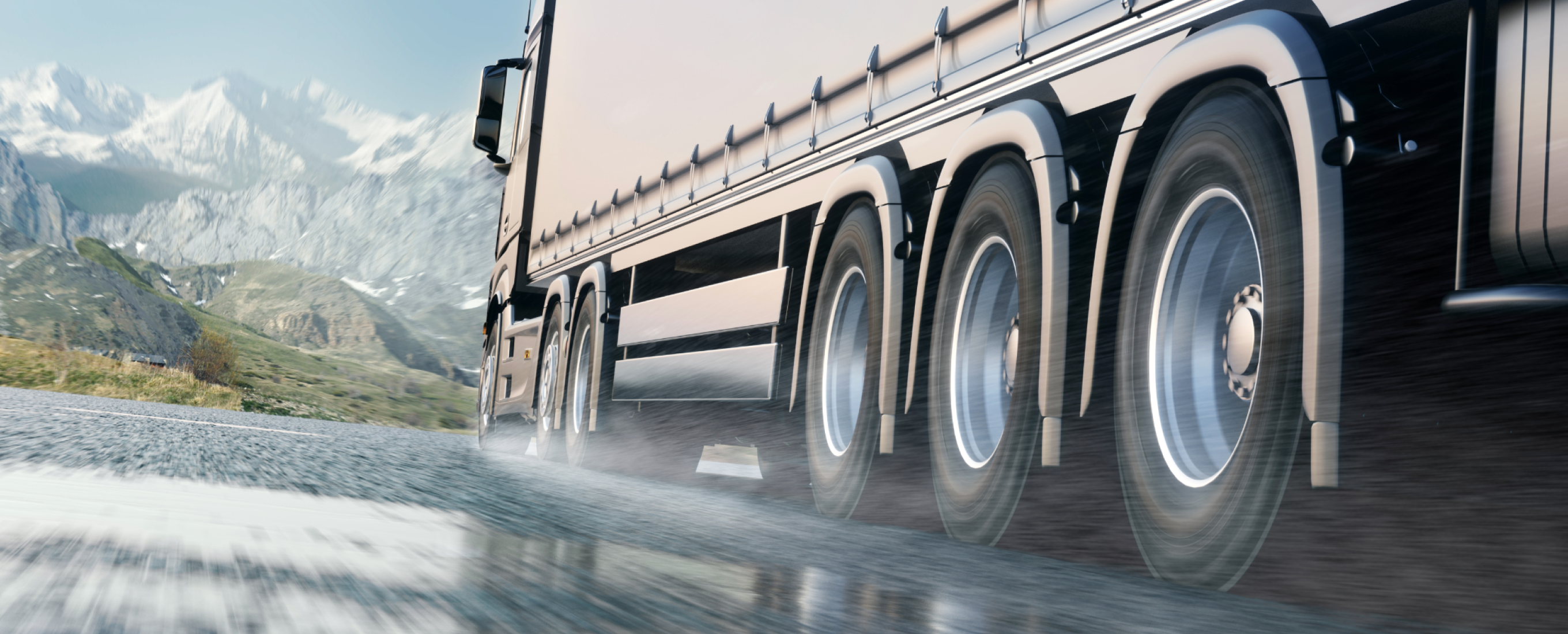
Wet road conditions can be exceptionally hazardous for commercial vehicles. High speeds on standing water can cause heavy truck tires to hydroplane, lifting the tread off the pavement and causing a catastrophic loss of steering and braking control. Furthermore, reduced road grip on wet surfaces drastically extends stopping distances and increases the risk of dangerous trailer jackknifing.
Worn tires with shallow tread depths cannot evacuate water effectively, making routine tread inspections vital before any long-haul trip. Drivers should proactively reduce vehicle speed well before entering a turn and maintain a steady, controlled pace. If traction is compromised, avoid sudden braking or aggressive steering inputs. Instead, ease off the accelerator, keep the steering wheel straight, and allow the tires to regain a firm grip on the road.
Eco-driving is a highly effective operational strategy to combat high fuel costs and reduce fleet emissions, ensuring that every commercial journey maximizes fuel economy and promotes environmental sustainability.

Avoid rapid, aggressive acceleration and sudden, hard braking. Train drivers to utilize cruise control on open highways to maintain a consistent speed, which significantly improves fuel efficiency and reduces drivetrain stress.
Minimize unnecessary engine idling during loading, unloading, or rest breaks. Turning off the engine during extended stationary periods directly cuts fuel waste and slashes carbon emissions across your fleet.
Under-inflated commercial tires suffer from excessive sidewall flexing and higher rolling resistance, which heavily drives up fuel consumption. Maintaining precise target inflation based on your axle load charts is essential for optimal fuel economy and maximum tire life.
Avoid overloaded configurations and properly distribute freight weight across axles. Eliminating unnecessary deadweight and ensuring cargo is aerodynamic helps maximize miles-per-gallon (MPG) and prevents severe tire casing fatigue.
Utilize advanced fleet routing to bypass congested metropolitan areas and heavy traffic bottlenecks. Planning trips to minimize stop-and-go driving keeps heavy vehicles moving at efficient cruising speeds, directly lowering fuel usage and reducing your fleet's carbon footprint.



